Visit NaplesAcura.com
M – F: 7:30AM – 5:30PM | Saturday: 7:30AM – 3:00PM | Sunday: Closed
659 Airport Pulling Rd N Naples, FL 34104

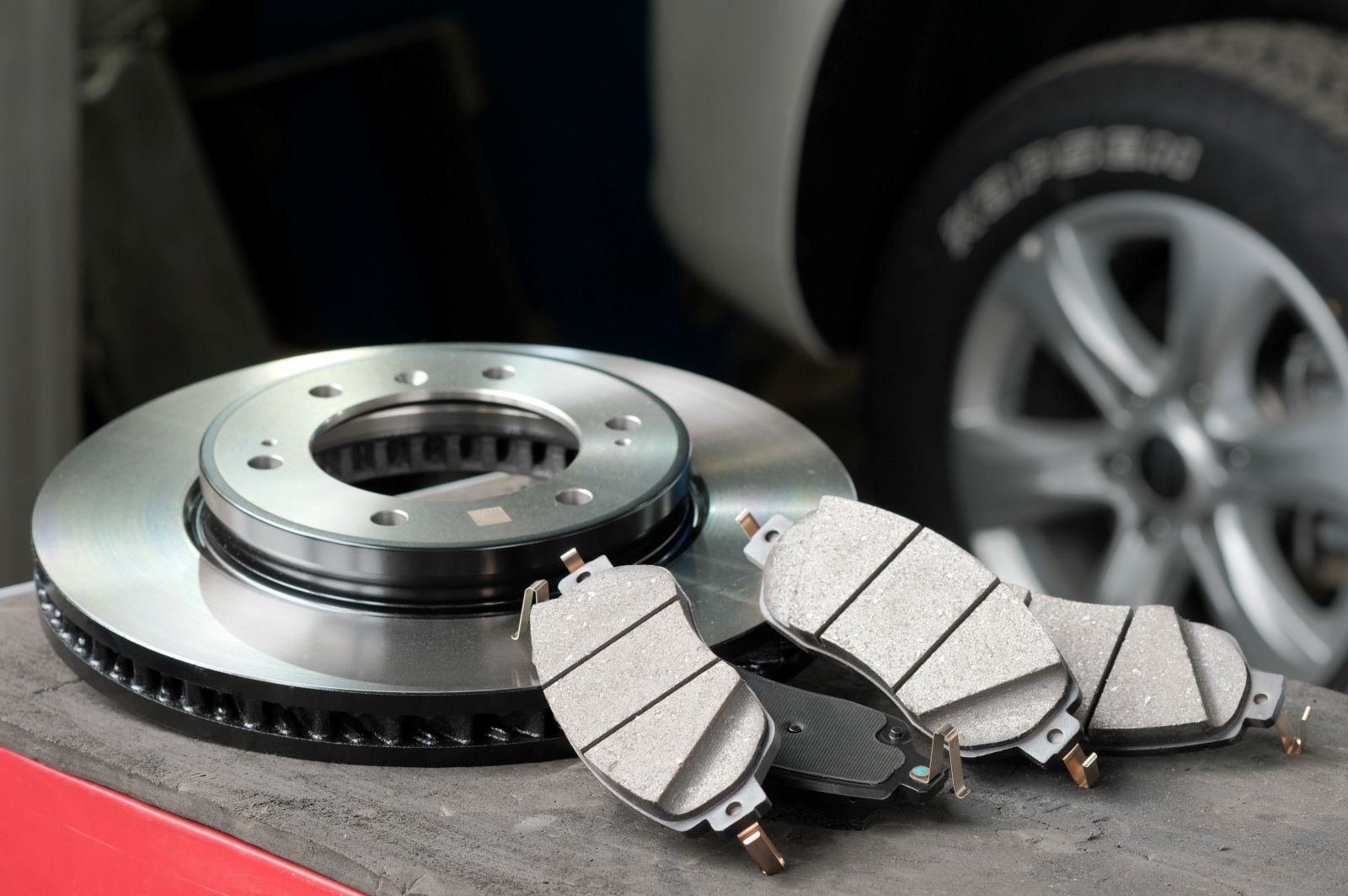
Brake issues usually start as a small change you notice while driving. It might be a squeal when you ease up to a light, a vibration when you slow down from traffic speed, or a pedal that feels different than it did a month ago. Around Naples, you notice those changes quickly because you’re braking constantly for lights, turns, and the stop-and-go stretches along US-41.
If your brakes don’t feel the way they used to, schedule an inspection while the fix is still straightforward.
If the noise or feel is repeatable, schedule service and get a clear read on what needs attention.
Focus on what you can repeat. If it happens again on the next drive, it deserves an inspection.
Noise is the easiest example. A light squeal that shows up at low speeds, especially pulling into a parking lot or rolling up to a stop sign, is common. If that squeal keeps returning across multiple drives, it’s not something to ignore.
Grinding is different. If you’re hearing a harsh grinding sound when braking, schedule service promptly and keep driving to a minimum. That sound usually means you’ve moved past normal wear and into a situation where delaying can damage other braking surfaces.
Vibration matters too. If the steering wheel shakes when you slow down, or the pedal pulses under your foot, mention the speed range where it happens. People often notice it most when slowing down from higher speeds, like decelerating after I-75, but it can happen anywhere. The more specific you can be, the faster the inspection gets to the point.
Pay attention to pedal feel. If you suddenly need more pedal to get the same result, if the pedal travels farther than it used to, or if braking feels less consistent in the same driving situations, don’t brush it off.
Pulling to one side under braking is also worth a look. Sometimes it’s braking-related, sometimes tires are part of it, and sometimes it’s a combination. Either way, it’s a sign to schedule an inspection rather than guess.
If a brake warning light is on, schedule service so it can be checked directly.
Brake work should start with inspection, not assumptions. The brake service description focuses on inspecting the braking system and evaluating key components such as pads, rotors, and calipers. That approach matters because it keeps the recommendation tied to what’s actually worn on your vehicle.
Once the inspection is done, the service plan is based on what the tech finds. In many cases that means brake pads, and sometimes rotor condition is part of the conversation. The right outcome is consistent braking feel, predictable response, and no surprises when you’re slowing down on Airport-Pulling Rd or easing into a turn.
Brake pads wear by design. They’re meant to take the friction and heat, and they don’t wear at the same rate forever. City-style driving tends to show pad wear sooner than people expect because you’re braking often, even if each stop is light.
What matters is catching wear before it turns into a bigger parts list. When pads get thin, braking can get noisier and less smooth. If pad material is gone and metal contact begins, you’re no longer just talking about pads.
Pads also don’t always wear evenly across the axle. That’s one reason inspection is helpful. When the shop checks pad condition, rotor surface and caliper operation matter too, because they influence how the pad meets the rotor and how smoothly the system behaves.
If you want the simplest path, schedule service when you first notice recurring squeal or vibration, not after the noise gets loud enough that you’re changing how you drive.
If the noise is repeatable or the pedal feel has changed, schedule an Acura brake service and get a clear answer.
A lot of people wait because the car still stops. Stopping power isn’t the only thing that matters. Noise and vibration are early warnings.
Squeal can come and go, especially at low speeds. If it shows up consistently on the first few stops of the day, or it’s most noticeable in parking lots, it still counts as a real signal if it keeps returning.
Rough braking often shows up as a pulse in the pedal, a vibration in the wheel, or a grabby feel that isn’t there every time. If you can describe when it happens, do it. “It starts around 50 mph” or “it’s worse after a longer drive” helps the inspection focus quickly.
The reason to schedule even when stopping power feels okay is simple: noise and roughness are often the early stage. Addressing it sooner usually keeps the repair simpler.
Brake fluid is what transfers force from your foot into braking force at the wheels. When it’s doing its job, the pedal feels firm and consistent.
If the pedal starts feeling softer than normal, if it travels farther than you’re used to, or if the response feels inconsistent in the same driving situations, schedule an inspection and ask about brake fluid condition while the system is being checked.
The All Services list also notes checks and replacement of vital fluids, including brake fluid: All Services
If you’ve noticed a pedal feel change, say that at check-in. It’s one of the most useful pieces of information you can give because it points the inspection toward the right part of the system.
The longer you wait, the more likely the repair grows beyond pads.
With pads, the main risk is letting wear progress past the point where the braking surfaces stay protected. That’s how a job that could have stayed focused becomes a wider repair.
With brake fluid and pedal feel issues, delaying keeps you in a guessing loop. If something feels different, an inspection gives you a clear answer without guessing.
| What you notice | What it can suggest | Best next step |
|---|---|---|
| Steering wheel shake while braking | Rotor surface issue (varies) | Schedule a brake inspection and ask to check rotors and pads |
| Squeal at light braking | Pad wear indicator or pad/hardware issue | Schedule a brake inspection and ask about pad thickness and hardware condition |
| Grinding noise | Pad material worn through or debris between pad and rotor (varies) | Schedule service promptly; limit driving if possible |
| Pedal feels soft or travels farther | Brake fluid condition or hydraulic issue (varies) | Schedule service and ask for a brake system inspection and brake fluid condition check |
| Brake warning light is on | System alert | Schedule service for diagnosis |
| Pulling to one side under braking | Uneven braking force or tire-related factor (varies) | Schedule an inspection; ask to check brakes and tire condition |
If you’re looking for Acura brake service coupons or offers, check the Special Offers page first. If there’s a brake-related offer available, it will be listed there: Special Offers
Once you’ve checked offers, schedule service and pick a time that fits your week: Schedule Service
If you want to review everything the service center handles beyond brakes, use the All Services list: All Services
If braking has started to feel different, schedule service and get it checked before it turns into a bigger job.