Visit NaplesAcura.com
M – F: 7:30AM – 5:30PM | Saturday: 7:30AM – 3:00PM | Sunday: Closed
659 Airport Pulling Rd N Naples, FL 34104

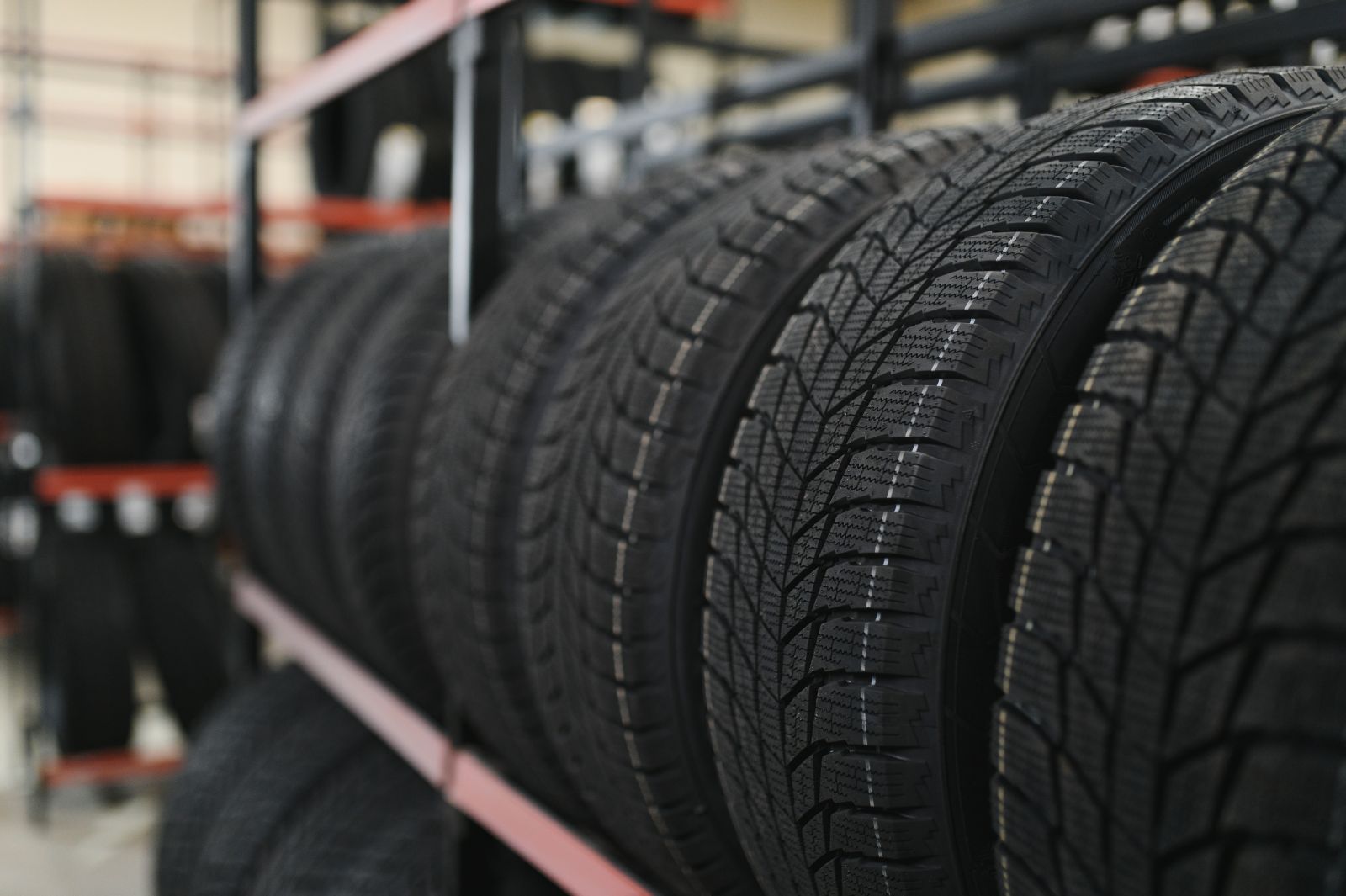
Tires are one of those things you only notice when something feels different. The steering starts to wander a little. The ride feels louder on certain roads. Or the tire pressure light shows up right as you’re trying to get across town. Around Naples, tires take a steady beating from heat, quick errands, and the constant stop-and-go along US-41. If your Acura doesn’t feel as planted as it used to, a tire check is usually the fastest way to get answers without guessing.
If you’re due for tire maintenance or something feels off, scheduling service keeps it simple.
If you’re due for tire maintenance or something feels off, schedule an Acura tire service and get it checked.
An Acura tire service is not just about replacing tires. A tire visit focuses on tire condition, tread wear, and tire pressure so the car drives the way it should day to day. If you’re coming in because something feels different, the visit is about connecting the symptom to what’s happening at the tire.
Tire maintenance also covers the routine items that keep wear even over time, like rotations and general inspections. If you do a lot of short trips and city driving, these checks help you catch uneven wear earlier.
Tires give you clues long before they look obviously worn.
If the car wanders or feels loose, tire pressure and tire wear are two of the first things to check. If the steering feels fine one day and floaty the next, pressure swings can be part of it.
If you feel vibration at speed, that’s another common signal. Some vibrations only show up in a narrow speed range. Others are consistent and get worse over time. Either way, it’s worth getting looked at instead of hoping it disappears.
Uneven tread wear is another big one, even if the tire still has tread left. When one edge wears faster than the other, you are often looking at a rotation or alignment issue.
And if you’re adding air more than once without a clear reason, treat that as a reason to schedule service. Topping off a tire every week is not a plan.
The correct tire pressure for your Acura is listed on the driver-side door jamb label, and it’s also referenced in your owner’s manual. That door-jamb number is the one that matters for your vehicle. It’s not the same as the maximum pressure printed on the tire itself.
A simple routine is to check pressure when the tires are cold, meaning before you’ve been driving for a while. If you check after a drive across town, the readings can be higher than they were at the start.
In Naples heat, tire pressure swings can feel more noticeable. Use the door-jamb PSI and check when the tires are cold.
If your Acura tire pressure monitoring system warning light comes on, the most practical first step is to check tire pressure and compare it to the door-jamb PSI. A warning light often shows up when one tire has dropped below where it should be, or when pressures are mismatched enough that the system flags it.
If you correct the pressures and the light returns, schedule tire service. The visit can focus on tire condition and whether there’s a reason a tire is losing air. This site does not describe a dedicated TPMS diagnostic service, so the safe move is to start with pressure and tire inspection.
Rotations are one of the simplest ways to keep tire wear even. Without rotation, the tires that do more work will wear faster, and that can make the ride noisier and less smooth over time.
If you’re not sure when your last rotation was, schedule tire maintenance and get back on a consistent routine.
Sometimes the tires look okay at a glance, but the car doesn’t track straight, or the steering feels a little off. Sometimes that’s tire wear. Sometimes it’s alignment. Sometimes it’s both.
If you’re seeing uneven wear, the alignment question comes up quickly. An alignment check is the right next step when the wear pattern suggests the tires aren’t meeting the road evenly.
If the car pulls, if the steering wheel is off-center, or if you’ve noticed uneven wear across the tread, it makes sense to pair tire service with an alignment check.
If you’re seeing uneven wear or the car doesn’t feel as steady as it used to, schedule service and ask about tire maintenance and alignment.
If you’re looking for Acura tire service offers, check the Special Offers page first. If there’s a tire-related offer available at the time you’re booking, it will be listed there: Special Offers
Once you’ve checked offers, schedule service and pick a time that fits your week: Schedule Service
| What you notice | What it can suggest | Best next step |
|---|---|---|
| Tire pressure light comes on | Tire pressure may be off (varies) | Check door-jamb PSI, check pressures when tires are cold, schedule service if it returns |
| Steering feels light or the car wanders | Pressure, uneven wear, or alignment factor (varies) | Pressure check and tire inspection; ask about alignment if wear looks uneven |
| Vibration at speed | Balance or tire condition factor (varies) | Schedule tire inspection and ask to check balance and tire condition |
| Uneven tread wear | Alignment or rotation needs attention (varies) | Ask about rotation history and consider an alignment check |
| One tire keeps losing air | Slow leak, puncture, or valve issue (varies) | Tire inspection; avoid repeatedly topping off without checking the cause |
| Tread looks low or the ride is getting louder | Tire replacement may be near | Schedule an inspection and discuss next steps for your Acura |
If your Acura tires feel different, the pressure light keeps returning, or you’re due for tire maintenance, schedule service and get it checked.